
Park Info
- The Park is closed on Tuesdays
Opening hours are from 7 am to 4 pm every day of the year except for Tuesdays, including all holidays.
Admission Details
Avoid the hassle of buying tickets on the government website and explore Manuel Antonio National Park at your own pace with our Self-Guided Option. This package includes park entry tickets, a recommended parking area for $10/day, and a personalized Google map highlighting the park’s must-see spots. Perfect for those who prefer an independent adventure in nature!
HERE.
Guided Tour Options
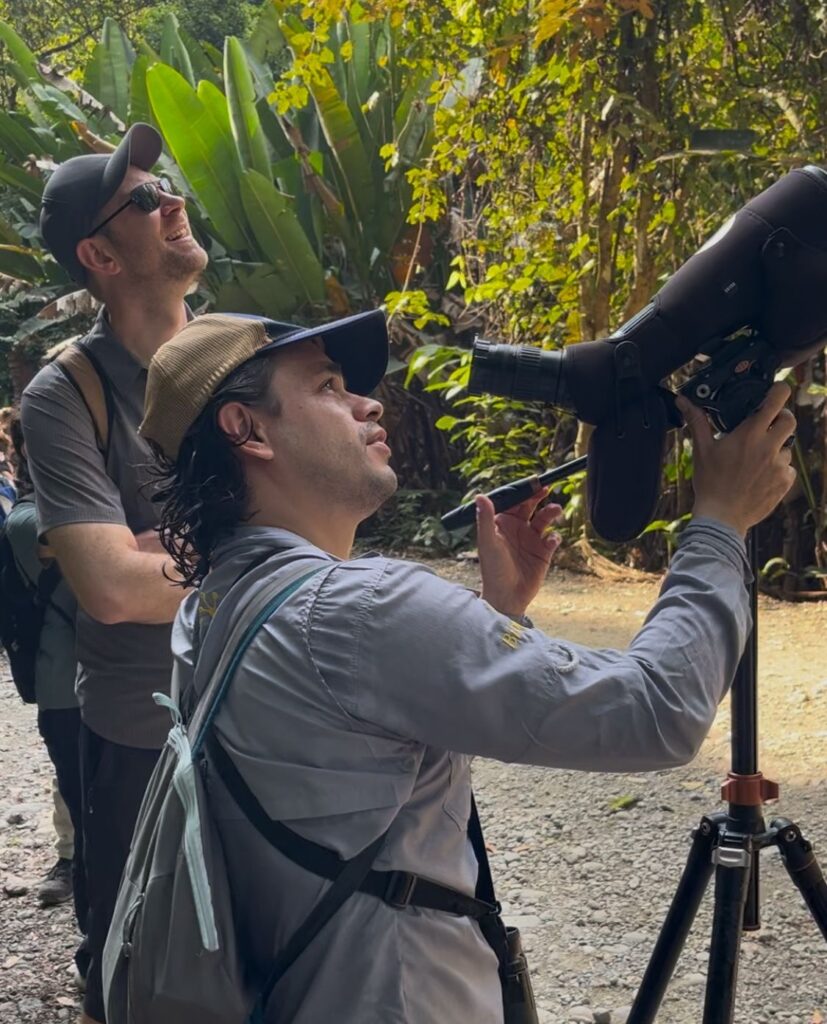
- Standard Guided Tours: This option includes one-way transportation from hotels and vacation homes in MA/Quepos, park entrance, services of bilingual certified guides equipped with high-tech telescopes, and a 2 hour guided tour. This also covers time to enjoy the beaches, allowing guests to remain in the park for the day. Please arrange your return transport to your accommodation.
Manuel Antonio National Park Guided Tour HERE
- Standard Guided Tours: This option includes one-way transportation from hotels and vacation homes in MA/Quepos, park entrance, services of bilingual certified guides equipped with high-tech telescopes, and a 2 hour guided tour. This also covers time to enjoy the beaches, allowing guests to remain in the park for the day. Please arrange your return transport to your accommodation.
- Private Guided Tours: Similar benefits as above, with the added privacy and personalized attention of a private tour.
Manuel Antonio National Park Private Tour HERE
Special Notice for Holiday Visits
Visitors during peak times (Christmas, New Year’s, and Easter) are advised to arrive early, between 7:00 to 7:30 am, to facilitate entry.
Important Advisory
While visiting Manuel Antonio National Park independently, be cautious of individuals impersonating official park staff to sell guiding services, parking, or entrance tickets. These unauthorized vendors, often dressed like park rangers, have no affiliation with the park. They may attempt to sell overpriced tickets or services and direct you to remote parking locations.
For authentic park experiences, continue directly to the park entrance where parking is available for C5000 (about $10). Purchase your genuine tickets online HERE ($18.08 for adults and children aged 12 and above).
For professional guided tours, bookings can be made HERE. Taxis from your hotel to the park are a reliable transportation option, with fares ranging from $5 to $10 per ride, depending on your location.

Size: 1,983 hectares of land & 55000 marine hectares.
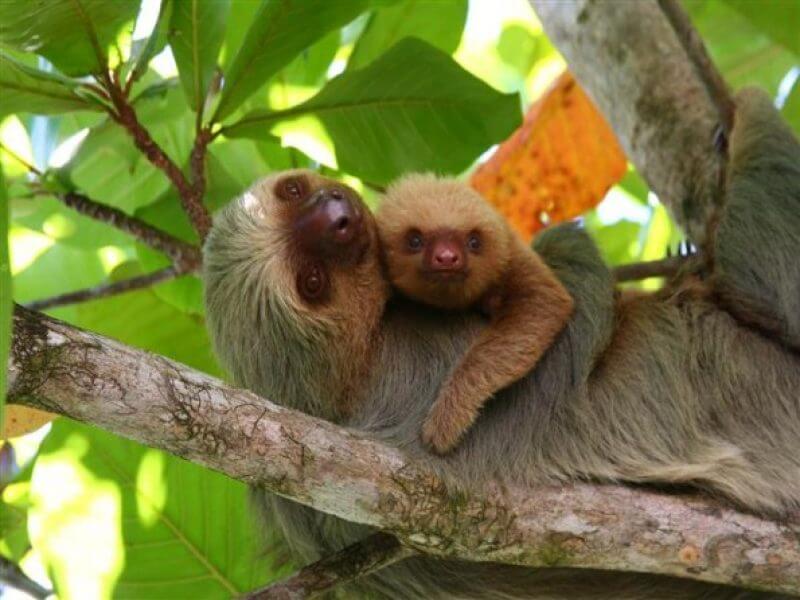
Established in 1972, Manuel Antonio National Park stands as a testament to Costa Rica’s commitment to preserving one of the most breathtaking and biodiverse regions on the planet. Despite being the smallest national park in the country, its 1,983 hectares boast an unparalleled blend of stunning landscapes and vibrant wildlife.
Nestled within this compact yet extraordinary park is a mesmerizing mix of rainforest, pristine beaches, and coral reefs, creating a sanctuary of natural beauty. The beaches, considered among the most picturesque in Costa Rica, are fringed by dense, green forests, offering outstanding snorkeling opportunities in their clear, inviting waters.
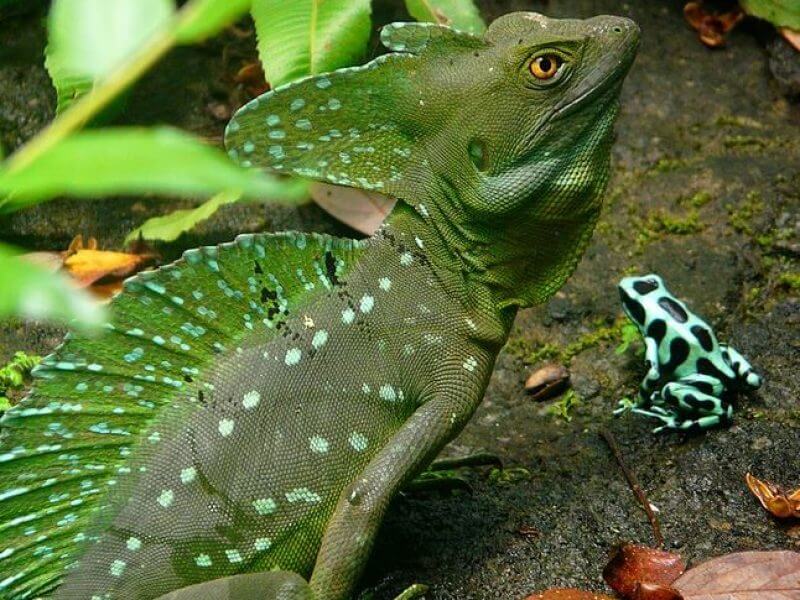
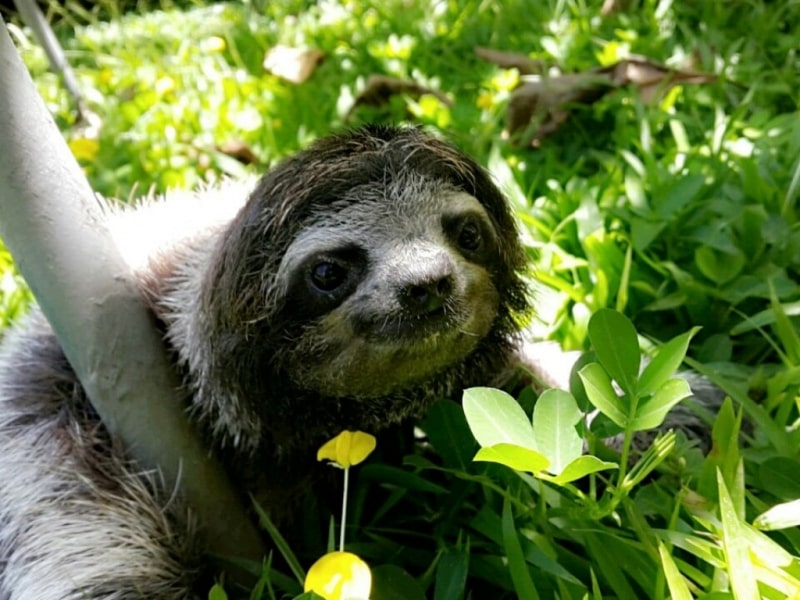
The forest itself is a haven for an array of wildlife, including sloths, iguanas, the enchanting squirrel monkeys—a species rarely seen elsewhere—along with white-faced monkeys and countless vibrant crabs that add a splash of color to the landscape. The trail weaving around Punta Catedral affords hikers breathtaking panoramic views, further enhancing the park’s allure.
Conveniently located south of Quepos, Manuel Antonio is easily accessible and surrounded by a variety of hotels and restaurants catering to all preferences. This juxtaposition of natural splendor and convenience makes Manuel Antonio National Park a must-visit destination, embodying the essence of Costa Rica’s rich ecological heritage.
Within the confines of the park, visitors are enveloped in a rich tapestry of wildlife. Cathedral Point, distinguished by its forest-crowned cliffs, was once detached as an island but has since merged with the mainland through a slender isthmus. This natural causeway now delineates the boundary between the park’s two famed beaches: Playa Espadilla Sur and Playa Manuel Antonio. The latter, a southern-facing beach, unfolds as a picturesque half-mile stretch of white sandy crescent, carving through lush greenery on one side and leading to a secluded, tranquil cove on the other.
As you stand with your feet nestled in the soft sand, gazing at the waves as they embrace the rocks framing the lagoon, there’s an overwhelming sense of solitude. It’s remarkably easy to feel worlds away from civilization, lost in a moment of natural serenity and the rhythmic sound of the sea.
Getting there
- Private Transfers: Tailored for your convenience, private transfers are offered within the range of $160 to $300, varying by the size of your group and your originating location. For precise pricing and to make reservations, please Contact Us. Remember to provide your travel date, departure point, and the total number of travelers in your group.
- Semi-Private Shuttles: Experience the comfort of traveling across Costa Rica with our semi-private shuttle service. Our air-conditioned mini-vans ensure a pleasant journey, offering door-to-door service to and from most hotels. Rates are approximately $45 to $60 per person. For comprehensive pricing details and to book your ride, please visit:

- Domestic Flights: For those looking to fly, domestic flight prices range from $75 to $95. Quepos XQP and San Jose SJO are connected through 5 daily direct flights. To book your flight, consider airlines such as Sansa, AeroBell, or SkyWay.
- Public Bus Transportation:
- Colectivo Buses: Conveniently stop outside the airport at the following times: 10:15 am, 2:15 pm, 3:15 pm, 4:15 pm, and 5:15 pm. The journey to Manuel Antonio (MA) takes approximately 4 hours and costs $8.
- Directo Buses: For a more direct route, these buses depart from the Tracopa bus terminal downtown (a 20-minute cab or Uber ride away) at 9 am, 10:30 am, 12 pm, 1:15 pm, 2:30 pm, 4:45 pm*, 6 pm, and 7:30 pm (*not available on Sundays). The fare is $10 per person, with a journey time of about 2.5 hours. Disembark at the beach in MA and enjoy a brief 5-minute walk to the park entrance.
- Car Rental: For those preferring the flexibility of driving, we recommend renting small to midsize SUVs. While the main roads are paved, exploring Costa Rica’s diverse landscapes may lead you onto dirt roads. Some of the country’s most stunning destinations are accessible only via these routes. Our preferred car rental companies include:


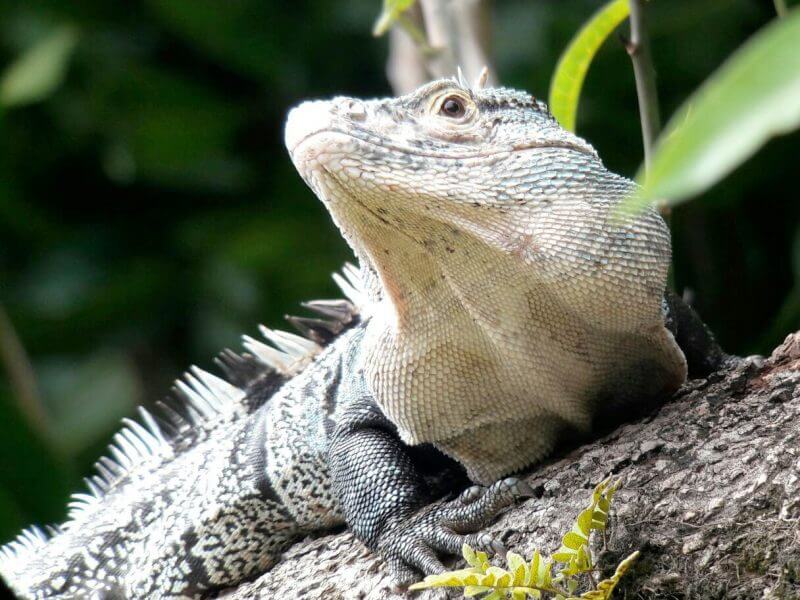
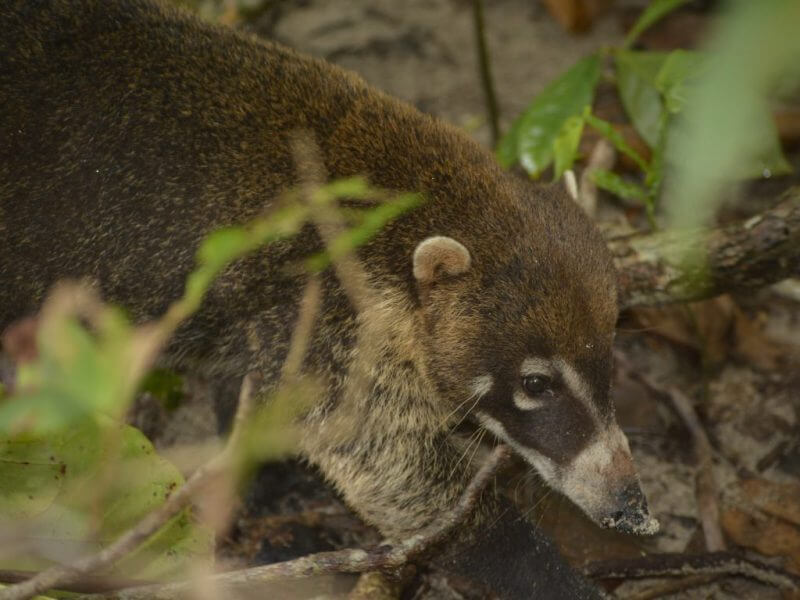

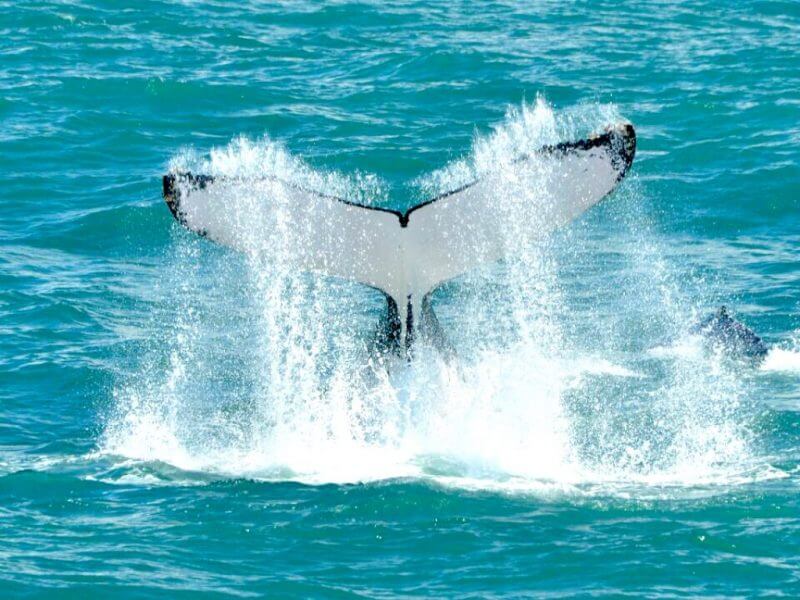
If you need additional information on travel options from SJO or for reservations, please do not hesitate to Contact Us.
If you are looking for accommodation near SJO, check out the Adventure Inn; you can read more about this option and get a 10% discount applied if booking through this link: http://www.adventure-inn.com/promo/manuelantonioestates
Contact us to assist in planning an unforgettable experience or Book your guide now
Why hire a guide to visit the Park?
Customer Comments


 and so many other things thanks to our guide. Highly recommended.”.
 Difference between Private Tour and Group Tour
Exclusive Sale of National Park tickets
Manuel Antonio’s hidden history
Ponce de León, the renowned Spanish explorer best known for his elusive quest for the Fountain of Youth, seldom receives acknowledgment for one of his most significant contributions to the world of exploration. In 1519, he charted the territories of Quepos and Manuel Antonio, marking them as noteworthy discoveries.
The Central Pacific coast of Costa Rica, brimming with natural riches, might well have been the embodiment of his legendary Fountain of Youth, had he ventured ashore to explore its vibrant landscapes and abundant resources.
Book your trip today!
Have a Question?
Feel free to reach out and we’re happy to answer any questions you may have.