Posted on — Leave a comment

Los Campesinos Ecolodge

Los Campesinos Ecolodge: Sustainable Rural Tourism in the Heart of the Forest

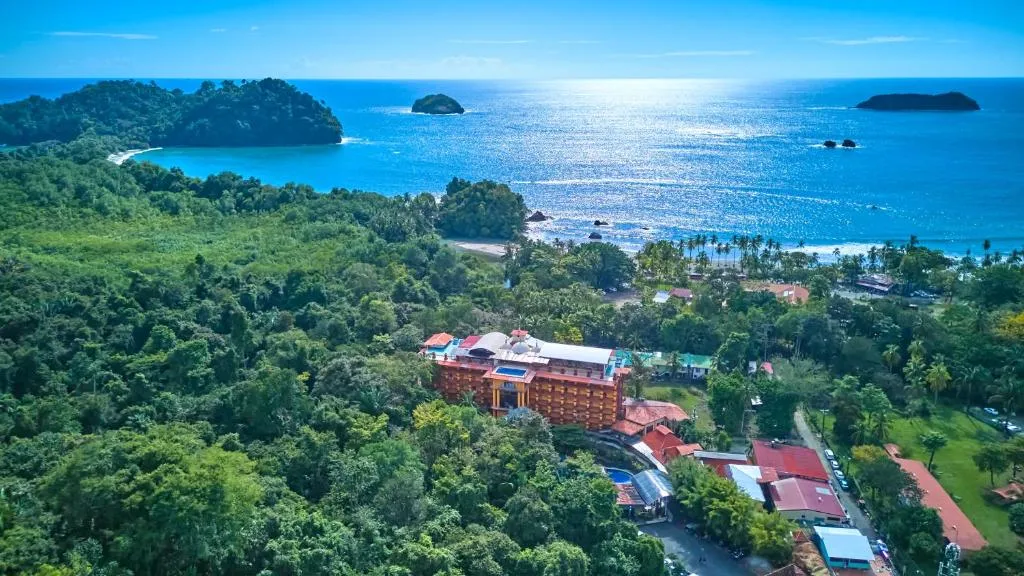
Located in the community of Quebrada Arroyo, just 25 km east of the well-known beaches of Manuel Antonio and Puerto Quepos, Los Campesinos Ecolodge offers an authentic sustainable rural tourism experience. This communal project, with over 18 years of history, has been developed by local residents who are committed to conserving their natural environment and promoting ecotourism as a driver of local development.

Nature, Adventure, and Tranquility

Los Campesinos Ecolodge boasts 33 hectares of primary and secondary forest, home to rich biodiversity and an ideal setting for a variety of tourist activities. Here, you’ll experience nature up close: from hikes along trails surrounded by lush vegetation to refreshing dips in waterfalls and natural pools. It’s an ideal place for couples, families, groups of friends, or students seeking a combination of tranquility, adventure, safety, and quality.

Must-Do Activities

Among the main activities and tours you can enjoy at the ecolodge are:

  • Guided forest walks with access to viewpoints.

  • Tour to waterfalls and natural pools.

  • Hanging bridge.

  • Tour of the traditional artisan sugar mill (trapiche).

  • Horseback riding.

  • Visit to the organic garden.

  • Rappelling for adrenaline lovers.

Services and Amenities

Accommodation is offered in cozy rustic cabins with a maximum capacity for 35 people. Transportation services and a restaurant are also provided. Added values include a complimentary breakfast, lunch and dinner (depending on preference), parking, and the possibility of a late check-out, subject to availability.

Rates and Access

Entry to the premises costs $7 per person, which grants access to the trail, hanging bridges, and common areas. For an additional $10, visitors can enjoy a typical lunch prepared with local products

Important

A 4×4 vehicle is recommended to reach the ecolodge, as the access includes sections of rural road that can present certain difficulties, especially during the rainy season.

Los Campesinos Ecolodge is not only a place to disconnect from urban stress but also an example of how an organized community can coexist in harmony with nature, offering its visitors a unique, authentic, and enriching experience.

Posted on — Leave a comment

Faune de Manuel Antonio: Animaux que vous pouvez voir

Découvrez l'incroyable biodiversité du Parc Manuel Antonio

Le Parc National Manuel Antonio est l’une des destinations les plus riches en biodiversité du Costa Rica. Ce paradis naturel abrite une grande variété d’espèces de mammifères, d’oiseaux, de reptiles et d’insectes, ce qui en fait un endroit idéal pour les amoureux de la nature et de la faune. Voici quelques-uns des animaux les plus emblématiques que vous pouvez observer dans ce parc incroyable.

1. Les singes: les habitants les plus charismatiques du parc

Quels types de singes peut-on observer à Manuel Antonio?

L’une des principales attractions du parc est la possibilité d’observer plusieurs espèces de singes dans leur habitat naturel. Parmi les plus communs, on trouve:

Singe à face blanche (Cebus capucinus)

Intelligents et joueurs, ces singes s’approchent souvent des visiteurs en quête de nourriture (mais il est important de ne pas les nourrir).

Singe écureuil (Saimiri oerstedii)

Espèce en voie de disparition, reconnaissable à sa petite taille et à son agilité.

Singe hurleur (Alouatta palliatta)

Leurs puissants rugissements peuvent être entendus à des kilomètres à la ronde et constituent une expérience inoubliable pour les visiteurs.

2. Paresseux: maîtres de la tranquillité

Les paresseux sont un autre des animaux les plus recherchés par les touristes. Deux espèces principales peuvent être observées à Manuel Antonio:

Paresseux à deux doigts (Choloepus hoffmanni)

Ils sont nocturnes et ont un pelage plus épais.

Paresseux à trois doigts (Bradypus variegatus)

Plus actif pendant la journée et avec un visage souriant caractéristique.

Pour augmenter vos chances d’apercevoir un paresseux, il est préférable d’engager un guide expert qui vous aidera à les identifier à la cime des arbres.

3. Oiseaux exotiques: un spectacle de couleurs et de sons

Quels sont les oiseaux que l'on peut observer dans le parc?

Le parc national de Manuel Antonio abrite plus de 180 espèces d’oiseaux:

Toucan à bec arc-en-ciel (Ramphastos sulfuratus)

Plumage coloré et grand bec jaune.

Ara rouge (Ara macao)

Spectaculaire avec son plumage rouge, bleu et jaune.

Martin-pêcheur vert (Chloroceryle americana)

Commun dans les zones proches des rivières et des mangroves.

Pour les ornithologues, les premières heures du matin sont idéales pour observer ces espèces en action.

4. Reptiles et amphibiens: créatures fascinantes de la forêt tropicale

Quels sont les reptiles les plus courants à Manuel Antonio?

Parmi les reptiles les plus remarquables du parc, on peut citer:

Iguanes verts (Iguana iguana)

On le voit souvent se prélasser sur les branches des arbres.

Basilic vert (Basiliscus plumifrons)

Également connu sous le nom de « Jésus-Christ » en raison de sa capacité à rouler sur l’eau.

Serpents arboricoles

Bien que certains soient toxiques, la plupart sont inoffensifs et essentiels à l’écosystème.

5. Mammifères nocturnes: découvrez la faune cachée

Pendant la nuit, le parc s’anime avec une variété de mammifères que l’on voit rarement pendant la journée, y compris:

Raton laveur (Procyon lotor)

Curieux et toujours à la recherche de nourriture.

Olingos (Bassaricyon gabbii)

Semblable au raton laveur, mais plus agile et nocturne.

Chauves-souris frugivores

Important pour la dispersion des graines dans la forêt.

Conseils pour l'observation de la faune à Manuel Antonio

  • Arriver tôt: Les animaux sont plus actifs aux premières heures du matin.
  • Apportez des jumelles: de nombreux animaux se cachent dans la végétation dense.
  • Engagez un guide: Les experts de la faune et de la flore vous aideront à repérer des espèces qui pourraient passer inaperçues.
  • Ne pas nourrir les animaux: cela modifie leur comportement naturel et peut nuire à leur santé.
  • Restez silencieux et respectez la nature: vous augmenterez ainsi vos chances d’observation et contribuerez à la conservation du parc.

Le Parc Manuel Antonio est une destination incontournable pour ceux qui souhaitent découvrir de près la biodiversité du Costa Rica. Préparez-vous à vivre une expérience inoubliable au milieu d’une faune exotique dans son habitat naturel.

Posted on — Leave a comment

Manuel Antonio wildlife – Animals you can see

Discover the incredible biodiversity of Manuel Antonio Park

Manuel Antonio Park is one of the most biodiverse destinations in Costa Rica. This natural paradise is home to a wide variety of mammals, birds, reptiles, and insects, making it an ideal place for nature and wildlife lovers. Below, we present some of the most iconic animals you can find in this incredible park.

1. Monkeys: The most charismatic inhabitants of the park

What types of monkeys can be seen in Manuel Antonio?

One of the main attractions of the park is the possibility of observing several species of monkeys in their natural habitat. Among the most common are:

White-faced monkey (Cebus capucinus)

Intelligent and playful, these monkeys often approach visitors in search of food (although it is important not to feed them).

Squirrel monkey (Saimiri oerstedii)

Endangered species, recognizable by its small size and agility.

Howler monkey (Alouatta palliata)

Their powerful roars can be heard from miles away and are an unforgettable experience for visitors.

2. Sloth: Masters of Tranquility

Sloths are another of the most sought after animals by tourists. Two main species can be seen in Manuel Antonio:

Two-toed sloth (Choloepus hoffmanni)

They are nocturnal and have a thicker coat.

Three-toed sloth (Bradypus variegatus)

More active during the day and with a characteristic smiling face.

To increase the chances of seeing a sloth, it is best to hire an expert guide to help identify them in the treetops.

3. Exotic birds: A spectacle of colors and sounds.

What birds can be observed in the park?

Manuel Antonio Park is home to more than 180 species of birds, among which the following stand out:

Rainbow-billed toucan (Ramphastos sulfuratus)

Colorful plumage and large yellow beak.

Scarlet Macaws (Ara macao)

Spectacular for their striking red, blue and yellow plumage.

Green kingfisher (Chloroceryle americana)

Common in areas near rivers and mangroves.

For birdwatchers, the early morning hours are ideal for observing these species in action.

4. Reptiles and amphibians: Fascinating creatures of the tropical forest

What are the most common reptiles in Manuel Antonio?

Among the most outstanding reptiles in the park are:

Green Iguanas (Iguana iguana)

Commonly seen basking on tree branches.

Green Basilisk (Basiliscus plumifrons)

Also known as “Jesus Christ” because of its ability to run on water.

Arboreal snakes

Although some are poisonous, most are harmless and essential to the ecosystem.

5. Nocturnal mammals: Discover hidden wildlife

During the night, the park comes alive with a variety of mammals that are rarely seen during the day, such as:

Raccoons (Procyon lotor)

Curious and always looking for food.

Olingos (Bassaricyon gabbii)

Similar to raccoons but more agile and nocturnal.

Fruit bats

Important for seed dispersal in the forest.

Tips for wildlife watching in Manuel Antonio

  • Arrives early: Animals are most active in the early morning hours.
  • Bring binoculars: Many animals hide among the dense vegetation.
  • Hire a guide: Wildlife experts will help you spot species that might go unnoticed.
  • Do not feed the animals: This alters their natural behavior and can be detrimental to their health.
  • Keep quiet and respect nature: This will increase your chances of sightings and contribute to the conservation of the park.

Manuel Antonio Park is a must-see destination for those seeking a close encounter with Costa Rica’s biodiversity. Get ready for an unforgettable experience surrounded by exotic fauna in its natural habitat.

Posted on — Leave a comment

Where to stay in Manuel Antonio: Best lodging options

Find the ideal lodging in Manuel Antonio

Manuel Antonio is one of Costa Rica’s most popular tourist destinations, famous for its impressive National Park, paradisiacal beaches and unparalleled biodiversity. Choosing the right place to stay is key to enjoy the experience to the fullest. Below, we show you the best lodging options in Manuel Antonio, from luxurious resorts to budget alternatives.

1. Luxury hotels in Manuel Antonio

If you are looking for a luxury experience surrounded by nature, Manuel Antonio has exclusive resorts and boutique hotels that offer spectacular views and first class services.

Best luxury hotels:

Hotel Makanda by The Sea

Adults only, with stunning ocean views and infinity pools.

Gaia Hotel & Reserve

A boutique hotel with a focus on sustainability and exceptional service.

Arenas del Mar Beachfront & Rainforest Resort

Located in front of the beach, ideal for those who want a combination of comfort and nature.

2. Boutique and eco-friendly hotels

For those looking for a comfortable stay with a personalized touch, boutique and eco-friendly hotels in Manuel Antonio are an excellent option.

Recommended options:

Si Como No Resort & Wildlife Refuge

Perfect for nature lovers, with trails and spectacular views.

Hotel Playa Espadilla

Just steps from the National Park, a great option for families.

The Falls Resort

Surrounded by lush vegetation, it offers tranquility and natural beauty.

3. Budget accommodations and hostels

If you are traveling on a budget, Manuel Antonio also offers affordable lodging options without sacrificing comfort.

Affordable options:

Selina Manuel Antonio

Perfect for backpackers and young travelers, with a social atmosphere and daily activities.

Millenium Manuel Antonio

Located near the entrance to the National Park, with affordable rooms.

Pura Natura Lodge

A cozy lodge surrounded by nature at affordable prices.

4. Private houses and villas

For large groups or families looking for more privacy and comfort, renting a house or villa may be the best option.

Recommendations:

Casa Fantastica

A luxurious villa with infinity pool and panoramic views.

Villa Perezoso

Exclusive property with elegant design and personalized services.

Casa Tango Mango

Perfect for large groups, with spacious social areas and private pool.

5. Tips for choosing the best lodging in Manuel Antonio

Location

If you prefer to be close to the beach or the National Park, choose a hotel in the tourist center.

Budget

Define how much you want to spend and look for options that fit your needs.

Reviews and opinions

Consult platforms such as TripAdvisor to know the experience of other travelers.

Additional services

Check if the accommodation offers breakfast, transportation or tours included.

Manuel Antonio offers a wide variety of options for all tastes and budgets. Whether you are looking for luxury, comfort or a budget option, here you will find the ideal place to stay and enjoy this spectacular Costa Rican destination.

Posted on — Leave a comment

Fauna de Manuel Antonio – Animales que se pueden ver

Descubre la increíble biodiversidad del Parque Nacional Manuel Antonio

El Parque Nacional Manuel Antonio es uno de los destinos más ricos en biodiversidad de Costa Rica. Este paraíso natural alberga una gran variedad de especies de mamíferos, aves, reptiles e insectos, lo que lo convierte en un lugar ideal para los amantes de la naturaleza y la vida silvestre. A continuación, te presentamos algunos de los animales más emblemáticos que puedes encontrar en este increíble parque.

1. Monos: Los habitantes más carismáticos del parque

¿Qué tipos de monos se pueden ver en Manuel Antonio?

Uno de los principales atractivos del parque es la posibilidad de observar varias especies de monos en su hábitat natural. Entre los más comunes destacan:

Mono cariblanco (Cebus capucinus)

Inteligentes y juguetones, estos monos suelen acercarse a los visitantes en busca de comida (aunque es importante no alimentarlos).

Mono ardilla (Saimiri oerstedii)

Especie en peligro de extinción, reconocible por su pequeño tamaño y su agilidad.

Mono aullador (Alouatta palliata)

Sus potentes rugidos pueden escucharse a kilómetros de distancia y son una experiencia inolvidable para los visitantes.

2. Perezosos: Maestros de la tranquilidad

Los perezosos son otro de los animales más buscados por los turistas. En Manuel Antonio se pueden ver dos especies principales:

Perezoso de dos dedos (Choloepus hoffmanni)

De hábitos nocturnos y con un pelaje más denso.

Perezoso de tres dedos (Bradypus variegatus)

Más activo durante el día y con un característico rostro sonriente.

Para aumentar las posibilidades de ver un perezoso, lo mejor es contratar un guía experto que ayude a identificarlos entre las copas de los árboles.

3. Aves exóticas: Un espectáculo de colores y sonidos

¿Qué aves se pueden observar en el parque?

El Parque Nacional Manuel Antonio es el hogar de más de 180 especies de aves, entre las que destacan:

Tucán pico iris (Ramphastos sulfuratus)

De plumaje colorido y gran pico amarillo.

Guacamayas rojas (Ara macao)

Espectaculares por su llamativo plumaje rojo, azul y amarillo.

Martín pescador verde (Chloroceryle americana)

Común en las zonas cercanas a ríos y manglares.

Para los amantes del avistamiento de aves, las primeras horas de la mañana son ideales para observar estas especies en acción.

4. Reptiles y anfibios: Criaturas fascinantes del bosque tropical

¿Cuáles son los reptiles más comunes en Manuel Antonio?

Entre los reptiles más destacados del parque se encuentran:

Iguanas verdes (Iguana iguana)

Comúnmente vistas tomando el sol sobre las ramas de los árboles.

Basilisco verde (Basiliscus plumifrons)

También conocido como “Jesucristo”, por su capacidad de correr sobre el agua.

Serpientes arborícolas

Aunque algunas son venenosas, la mayoría son inofensivas y esenciales para el ecosistema.

5. Mamíferos nocturnos: Descubre la fauna oculta

Durante la noche, el parque cobra vida con una variedad de mamíferos que rara vez se ven durante el día, como:

Mapaches (Procyon lotor)

Curiosos y siempre en busca de comida.

Olingos (Bassaricyon gabbii)

Parecidos a los mapaches pero más ágiles y nocturnos.

Murciélagos frugívoros

Importantes para la dispersión de semillas en el bosque.

Consejos para observar la fauna en Manuel Antonio

  • Llega temprano: Los animales están más activos en las primeras horas de la mañana.
  • Lleva binoculares: Muchos animales se esconden entre la densa vegetación.
  • Contrata un guía: Expertos en fauna te ayudarán a detectar especies que podrían pasar desapercibidas.
  • No alimentes a los animales: Esto altera su comportamiento natural y puede ser perjudicial para su salud.
  • Mantén silencio y respeta la naturaleza: Así aumentarás tus posibilidades de avistamiento y contribuirás a la conservación del parque.

El Parque Nacional Manuel Antonio es un destino imperdible para quienes buscan un encuentro cercano con la biodiversidad costarricense. Prepárate para una experiencia inolvidable rodeado de fauna exótica en su hábitat natural.

Posted on — Leave a comment

5 Razones por las que el Parque Nacional Manuel Antonio es un destino imperdible en Costa Rica

Manuel Antonio National Park

1. Biodiversidad Excepcional

Manuel Antonio alberga una asombrosa variedad de flora y fauna en un espacio relativamente pequeño. Con más de 100 especies de mamíferos y casi 200 especies de aves, es un paraíso para los amantes de la naturaleza. Aquí podrás observar perezosos, monos cariblancos, tucanes y coloridas mariposas en su hábitat natural.

2. Playas Paradisíacas

El parque cuenta con playas de arena blanca y aguas cristalinas, ideales para relajarse y disfrutar del sol. Playa Manuel Antonio y Playa Espadilla Sur son perfectas para nadar, hacer snorkel o simplemente contemplar el paisaje.

3. Senderos Escénicos

Para los entusiastas del senderismo, el parque ofrece una red de senderos que serpentean a través de la selva tropical, brindando vistas panorámicas del océano y la oportunidad de descubrir la rica biodiversidad del área. El sendero Punta Catedral es especialmente popular por sus impresionantes vistas.

4. Accesibilidad y Comodidades

A pesar de su entorno natural, Manuel Antonio está bien equipado para los visitantes. El parque cuenta con instalaciones como senderos accesibles, áreas de descanso y miradores. Además, la proximidad a la ciudad de Quepos facilita el acceso y ofrece opciones de alojamiento y gastronomía para todos los gustos.

5. Experiencias Guiadas Enriquecedoras

Participar en una visita guiada puede mejorar significativamente tu experiencia en el parque. Los guías naturalistas están capacitados para identificar especies que podrían pasar desapercibidas y compartir información valiosa sobre el ecosistema local, haciendo tu visita más educativa y memorable.

En resumen, el Parque Nacional Manuel Antonio combina belleza natural, biodiversidad y comodidades para ofrecer una experiencia inolvidable a todos sus visitantes.

Posted on — Leave a comment

5 Raisons pour lesquelles le parc national Manuel Antonio est une destination incontournable au Costa Rica

Manuel Antonio National Park

1. Biodiversité Exceptionnelle

Manuel Antonio abrite une étonnante variété de flore et de faune sur une superficie relativement petite. Avec plus de 100 espèces de mammifères et près de 200 espèces d’oiseaux, c’est un paradis pour les amoureux de la nature. Vous pourrez y observer des paresseux, des singes capucins, des toucans et des papillons colorés dans leur habitat naturel.

2. Plages Paradisiaques

Le parc offre des plages de sable blanc et des eaux cristallines, idéales pour se détendre et profiter du soleil. La plage Manuel Antonio et la plage Espadilla Sur sont parfaites pour la baignade, le snorkeling ou simplement pour admirer le paysage.

3. Sentiers Scéniques

Pour les amateurs de randonnée, le parc propose un réseau de sentiers qui serpentent à travers la forêt tropicale, offrant des vues panoramiques sur l’océan et l’occasion de découvrir la riche biodiversité de la région. Le sentier Punta Catedral est particulièrement prisé pour ses vues imprenables.

4. Accessibilité et Commodités

Malgré son cadre naturel, Manuel Antonio est bien équipé pour les visiteurs. Le parc dispose d’infrastructures telles que des sentiers accessibles, des aires de repos et des points de vue. De plus, sa proximité avec la ville de Quepos facilite l’accès et offre une gamme d’hébergements et d’options de restauration pour tous les goûts.

5. Expériences Guidées Enrichissantes

Participer à une visite guidée peut enrichir considérablement votre expérience dans le parc. Les guides naturalistes sont formés pour identifier des espèces qui pourraient passer inaperçues et partager des informations précieuses sur l’écosystème local, rendant votre visite plus éducative et mémorable.

En résumé, le parc national Manuel Antonio combine beauté naturelle, biodiversité et commodités pour offrir une expérience inoubliable à tous ses visiteurs.

Posted on — Leave a comment

5 Reasons Why Manuel Antonio National Park is a Must-Visit Destination in Costa Rica

Welcome to Manuel Antonio Park - Costa Rica

1. Exceptional Biodiversity

Manuel Antonio boasts an astonishing variety of flora and fauna in a relatively small area. With over 100 species of mammals and nearly 200 species of birds, it’s a paradise for nature lovers. Here, you can observe sloths, white-faced monkeys, toucans, and colorful butterflies in their natural habitat.

2. Paradise Beaches

The park features white sandy beaches and crystal-clear waters, ideal for relaxing and soaking up the sun. Manuel Antonio Beach and Espadilla Sur Beach are perfect for swimming, snorkeling, or simply taking in the scenery.

3. Scenic Trails

For hiking enthusiasts, the park offers a network of trails that wind through the tropical rainforest, providing panoramic ocean views and the opportunity to discover the area’s rich biodiversity. The Punta Catedral trail is especially popular for its breathtaking vistas.

4. Accessibility and Amenities

Despite its natural setting, Manuel Antonio is well-equipped for visitors. The park features facilities such as accessible trails, rest areas, and viewpoints. Additionally, its proximity to the city of Quepos makes it easily accessible and offers a range of accommodation and dining options to suit all preferences.

5. Enriching Guided Experiences

Participating in a guided tour can significantly enhance your experience in the park. Naturalist guides are trained to identify species that might go unnoticed and share valuable information about the local ecosystem, making your visit more educational and memorable.

In summary, Manuel Antonio National Park combines natural beauty, biodiversity, and amenities to offer an unforgettable experience to all its visitors.

Posted on — Leave a comment

Important environmental places for tourism in Quepos

Quepos Ocean Kayak

Damas Island Mangrove

The Mangrove is an ecosystem that deserves attention and care. Many generally do not know the importance of its function and that the mangrove represents a natural water treatment plant due to the plants and trees that live in this habitat, such as the characteristic mangrove. Another characteristic of this environment is the diversity of birds that it has, from Herons; raptors; Ibis, and the beautiful Kingfisher. You can see mammals such as Anteaters, monkeys, and sloths…

Without a doubt, a great option to complement your stay in Manuel Antonio.

You can enjoy the following tours in this beautiful place:

Damas Island Kayak Tours
Damas Mangrove Boat Tours
Damas Mangrove Paddle Board

The path from Beach to Beach in Manuel Antonio (Reto Mae)

Although there is no specific signage for this trail, many people walk it daily. Of course, it is better to do it accompanied by a certified guide to help avoid risks. Along the walk, you can enjoy both the mountain and the different beaches that intersect. You can start from Quepos and finish at Espadilla beach, next to the National Park itself. However, to do it more comfortably due to the state of the route, it is a better option to start at La Macha beach and finish at La Vaca.

Here you can check the route and book this tour

Beaches around Manuel Antonio

Biesanz

Biesanz

A beach that is necessary to access by car or taxi due to its distance. It is accessed by a beautiful and quiet path. Once there you can rent a kayak or paddle board for hours. This beach stands out for its calm waters. You will hardly ever see it with high waves; it is more like a natural pool. Its landscape view and the clarity of its waters are also remarkable.

La Vaca

La Vaca

One of the quietest beaches in the area; you will rarely see many tourists as it is usually frequented by locals. It can be easily reached by foot and is recommended so you can have the full experience. On this beach, you can swim very close to the curious pelicans that frequent its waters.

La Macha

La Macha

Another quiet beach worth visiting, frequented by both locals and tourists. It can be accessed both by car and by foot, however by foot is most recommended. On this beach, the white sand is combined with the large rocks that are found on the shore itself.

Playitas

Playitas

The beach is known for surfing excellence. What makes this beach stand out is not its size, but its coconut palm trees and its large influx of surfers. It must be accessed with 4x4 due to its relief and unevenness. However, walking to Playitas from Espadilla is as simple as reaching the end of the beach. This route is much easier and less polluting.

Espadilla

Espadilla

Is perhaps the busiest and most well-known beach because it is attached to the National Park. It also has more restaurant services; transportation; etc. It stands out for its span and abundance of wild fauna. You will be able to see different monkeys, the occasional camouflaged sloth, and even curious toucans.

Nahomi Park

Nahomi Park is located at the end of the Quepos Malecón, past the Marina Pez Vela marina. It is a space that encourages physical activity since it has fixed sports equipment and kayak rentals, and you can also simply swim on the beach. Nahomi Park is a good option to explore and enjoy the sunset. 

More information is here.

El Salto Waterfall

The access to the waterfall is not easily recognizable. However, it is another option to get to know a waterfall near the municipality of Quepos. You will have to be careful as it is an area not frequented often. You may easily come across animals such as snakes. If you don’t want to risk it, hire a local guide.

Here you can check the route.

Animal Recovery and Rescue Shelters

Although Manuel Antonio is a beautiful place to visit it is important to keep in mind that sometimes, animals have accidents both due to human negligence and their naivete. That is why in the surroundings of Quepos there are many wildlife recovery and rescue shelters. We recommend visiting and supporting their efforts.

We recommend the Wildlife Sanctuary Tour

American Quarter

Said Quepos neighborhood consists of a group of 52 buildings with heritage declaration that were built in the 40s of the last century. It presents a special environment due to its authenticity and cultural value. It’s representative of the banana cities and the socio-economic development of the regions of the country used by the Compañía Bananera during their banana exploitation in the Costa Rican Pacific. It is also representative of the labor forces that, after leaving their energies on the plantations, forged the foundations of the national economy.

Palm Tree

Just 15km from Quepos there are 3 municipalities that stand out for their surroundings since they are part of the foothills of the mountains closest to the Pacific. It is easily accessible by bus from Quepos to enjoy other landscapes and possibilities such as bathing in the waters of the Naranjo River or hiking to Esquipulas, which are a part of the Camino de Costa Rica, a pioneering hiking project that crosses the country coast to coast.

Villanueva, Naranjito and Esquipulas

Just 15km from Quepos there are 3 municipalities that stand out for their surroundings since they are part of the foothills of the mountains closest to the Pacific. It is easily accessible by bus from Quepos to enjoy other landscapes and possibilities such as bathing in the waters of the Naranjo River or hiking to Esquipulas, which are a part of the Camino de Costa Rica, a pioneering hiking project that crosses the country coast to coast.

Posted on — Leave a comment

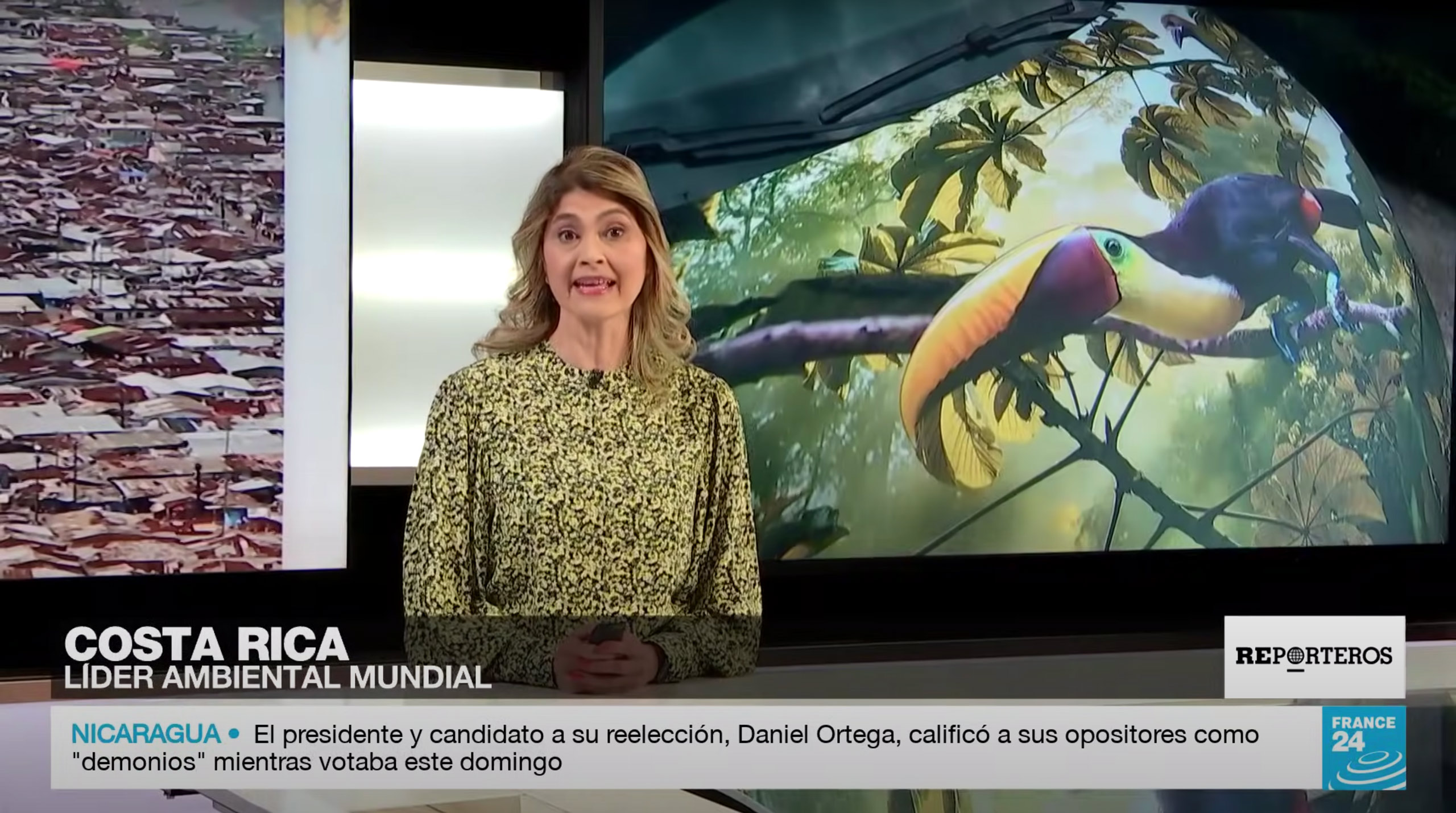
Costa Rica, una historia de éxito climático en el mundo (FRANCE 24 Español)

Costa Rica, una historia de éxito climático en el mundo
(From FRANCE 24 en Español) “En el espacio de unos pocos años, la pequeña nación centroamericana de Costa Rica se ha convertido en un laboratorio global de descarbonización y en un líder medioambiental mundial. Costa Rica es el único país tropical del mundo que ha conseguido invertir el proceso de deforestación: los bosques cubren ahora más de la mitad de su superficie. También es uno de los pocos países que obtienen casi toda su electricidad de fuentes renovables”. Para más información, visite: https://www.france24.com/es/