
Description
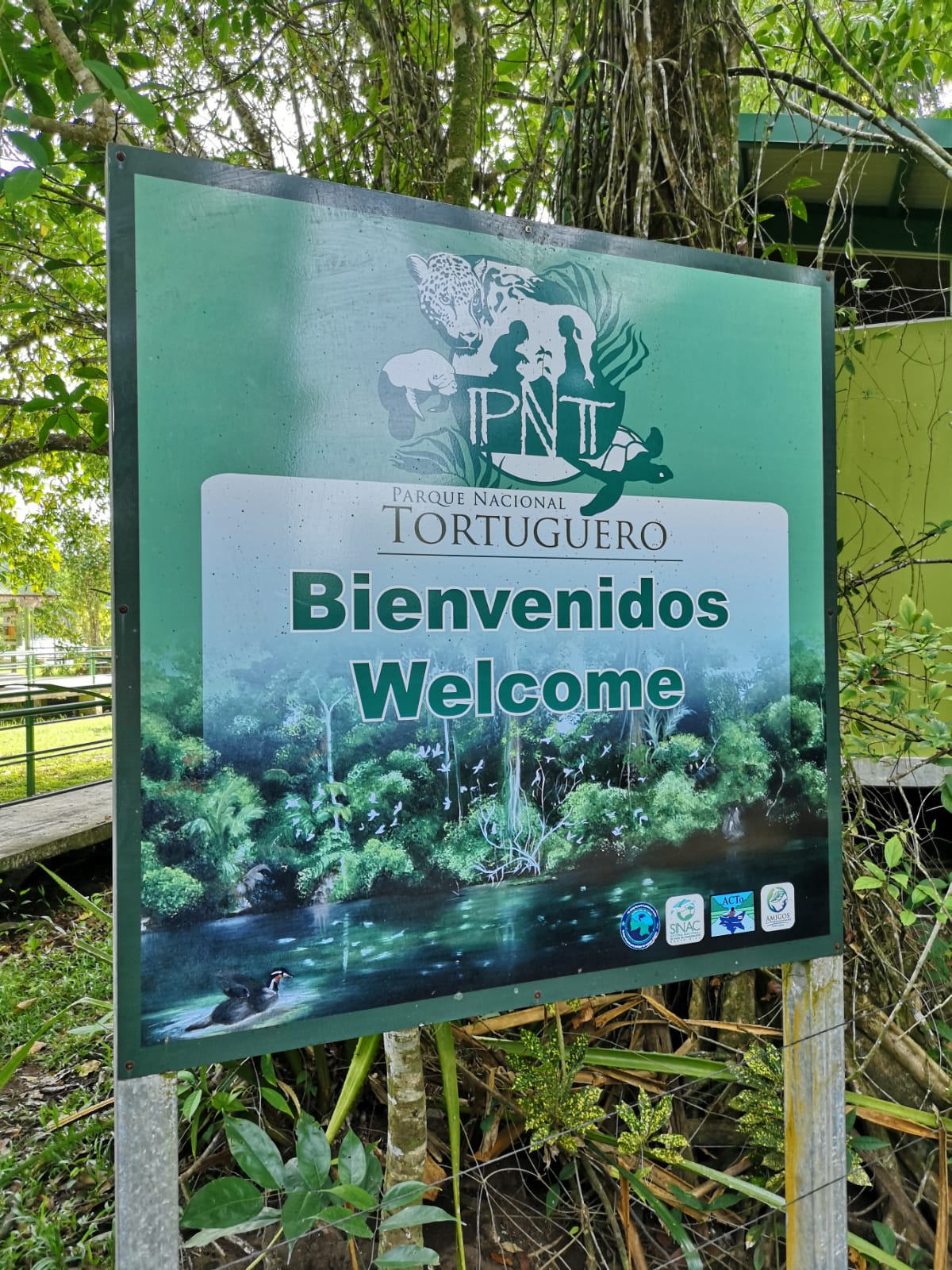
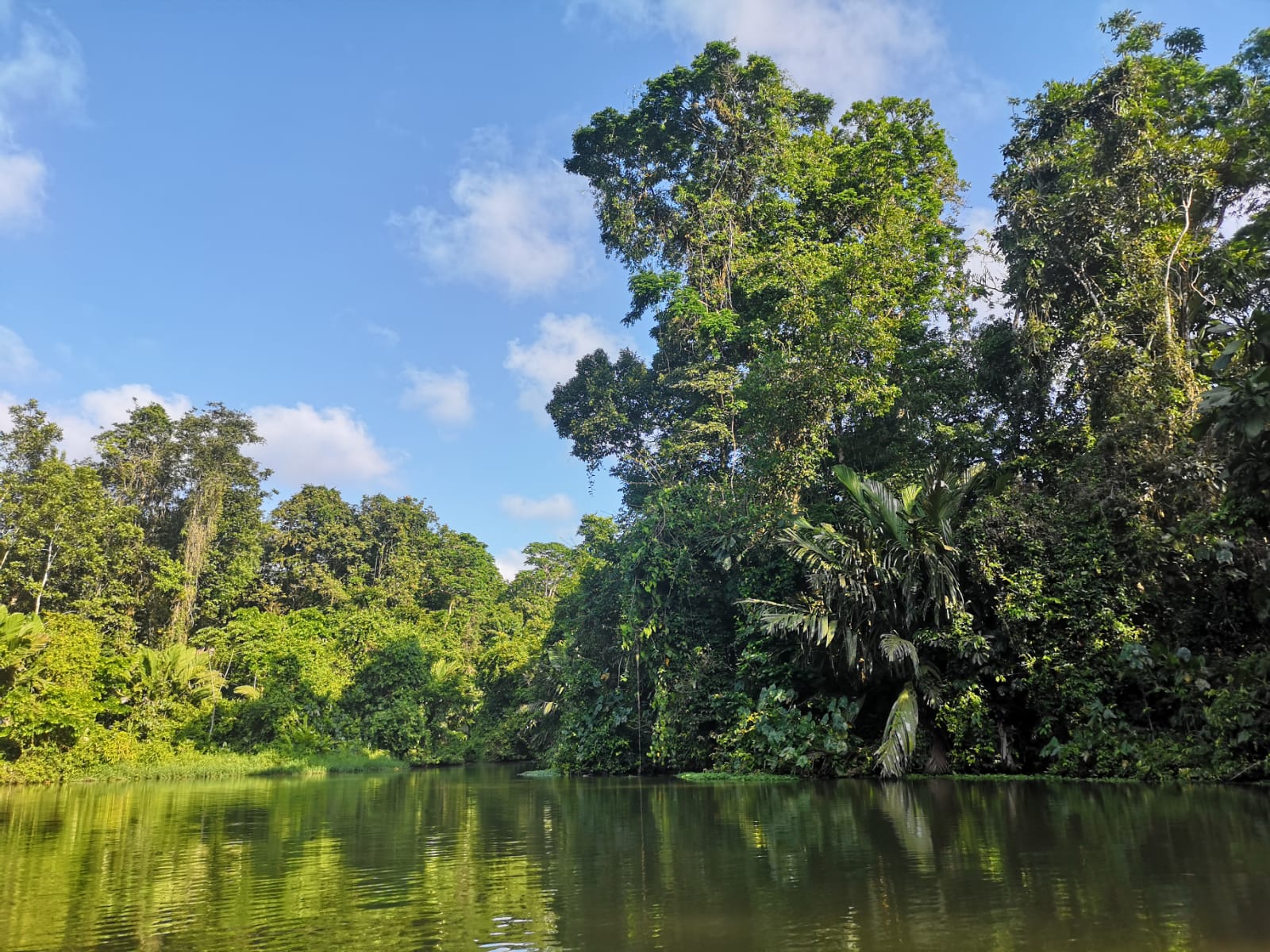
Tortuguero National Park is located on the Northern Caribbean coast of Costa Rica. Its beaches are famous for the turtles nesting season (in August), including endangered green and leatherback turtles. The area is unique, you can only navigate by boat or canoe as it is only lagoons & creeks. The weather is unpredictable, there is no real defined season there as it can rain any time of the year. Yes, it is a very humid place. The greenery you will see all around will attest to it! However, when the sun is out, the landscape is (even more) outstanding!
The Tortuguero town is a small and nice place, the Caribbean chill vibe is really present there and when wandering the street you will enjoy the cool way of life there. You can buy locally handmade souvenirs in one of the few shops there and try to spot the green macaws while sipping the fresh coconut water.
How to get there
From Manuel Antonio, you have to go first to San José, then, or you have your own car and you can drive all the way to the dock (Moín), or you can take a public bus from the Capital (The public bus from San José stops in downtown Limón and you’ll have to catch a cab to the Muelle/dock Moín).
Many Hotels have their own shuttle service, don’t forget to ask them directly when you book your stay. They can come to pick you up at your hotel in San Jose and they take charge of the entire journey to the destination (bus+boat).
Boats “Collectivos” are also an option, they will pick you at your place or at the town and will drop you off to one of the small docks, where you can make the connection with the public bus. Collectivo boats to/from Tortuguero are scheduled to reach port the same time as the bus. You can also take a taxi boat from the dock if you prefer.
Where to stay
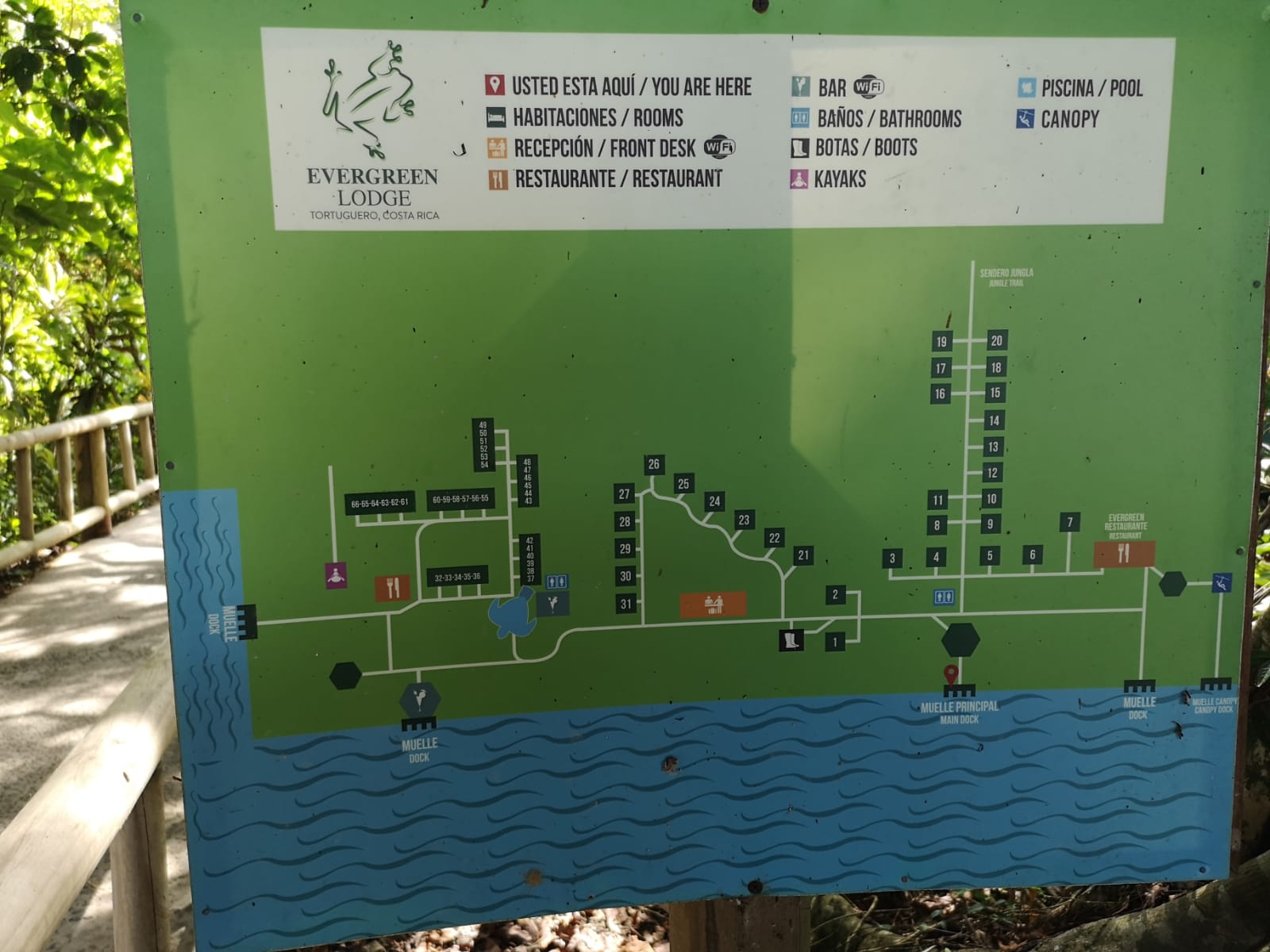
There are many places to stay in Tortuguero and its surroundings. From hostels downtown to luxury hotels. Some of the places offer an all-inclusive package with full pension & activities every day. You can stay directly.
It depends on your budget, and what you are looking for.
The Park
The park entrance costs 15$. The best way to visit the park is by boat or kayak. You can rent a kayak or book a guided tour by boat.
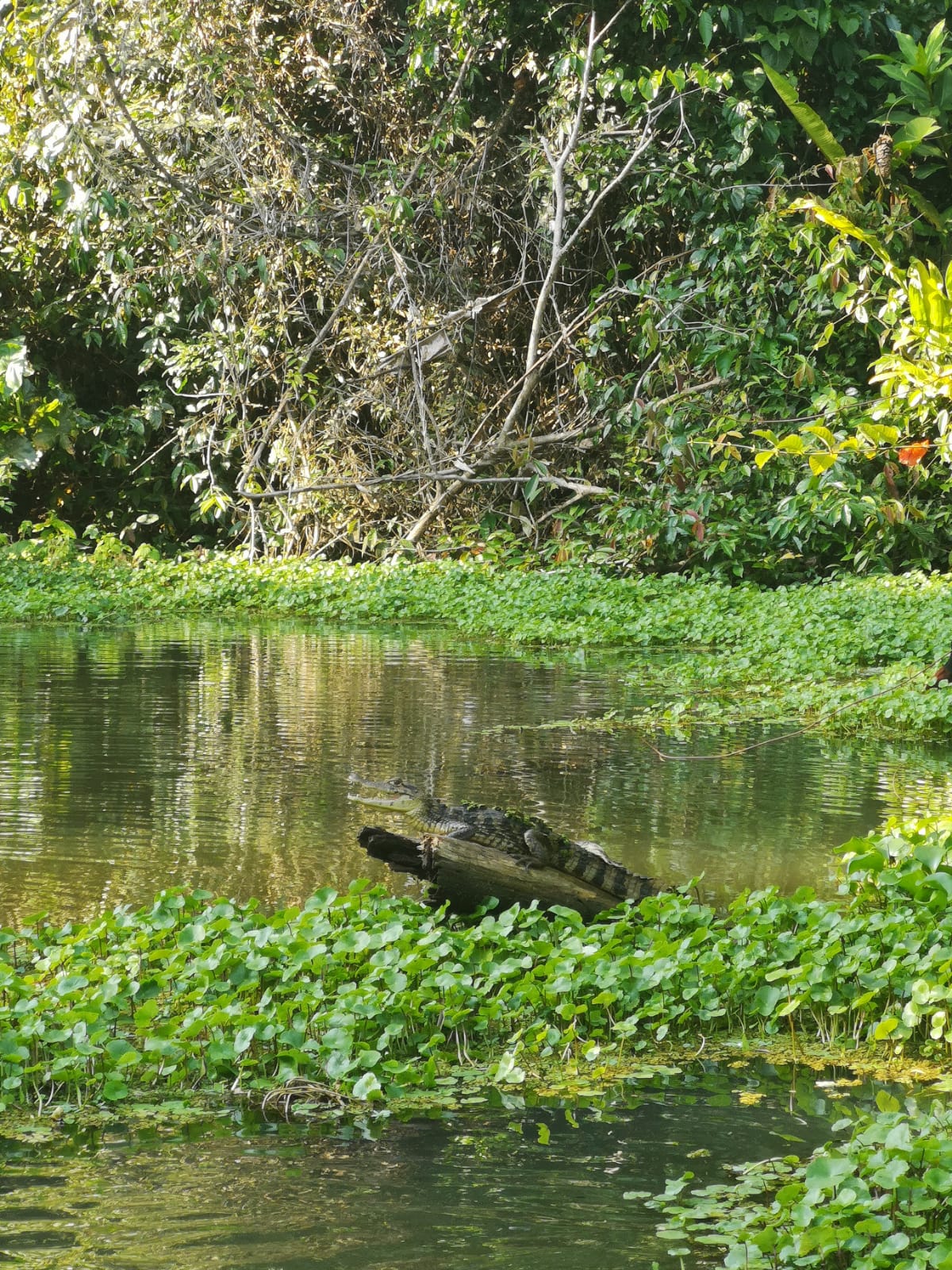
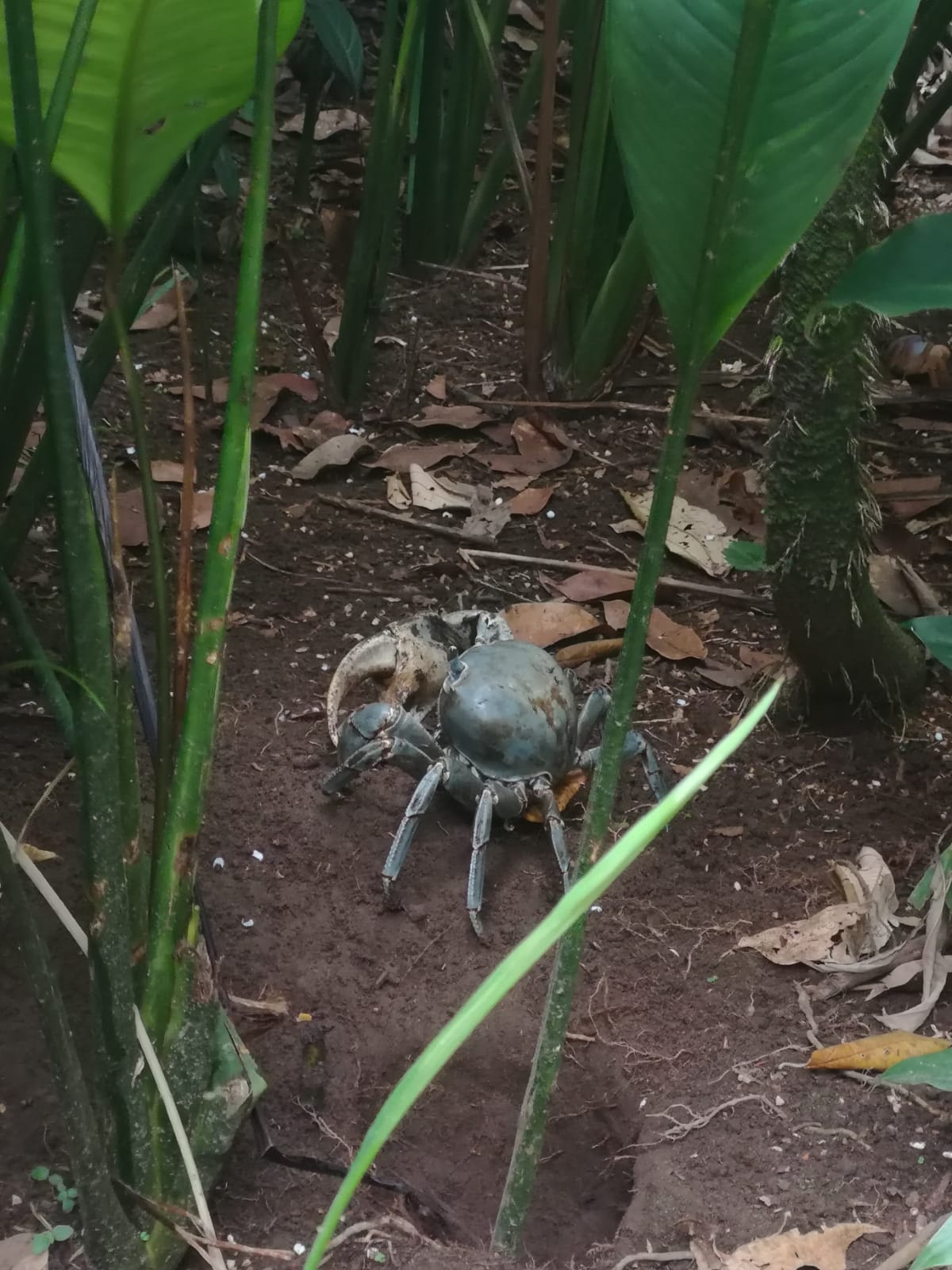
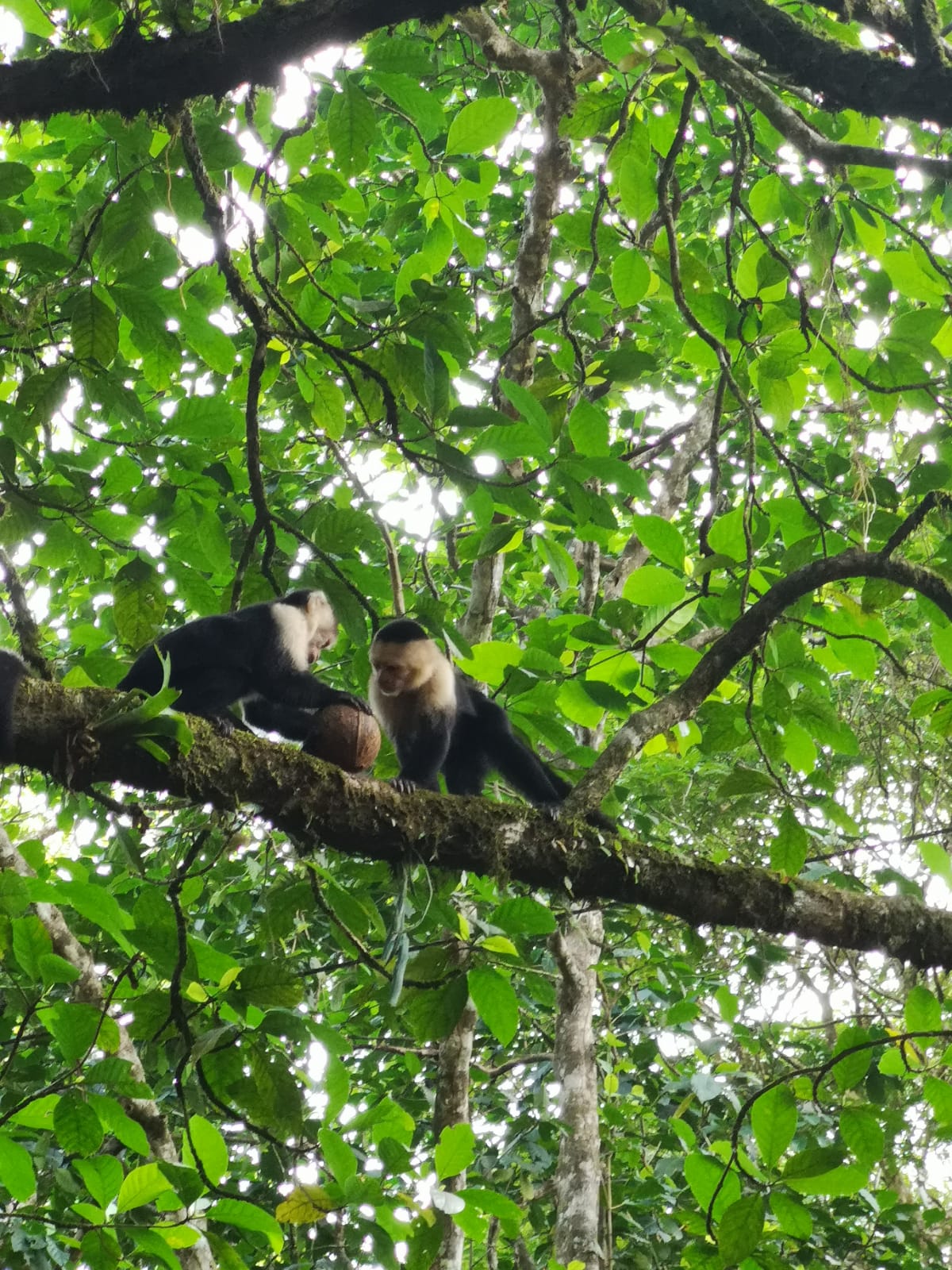
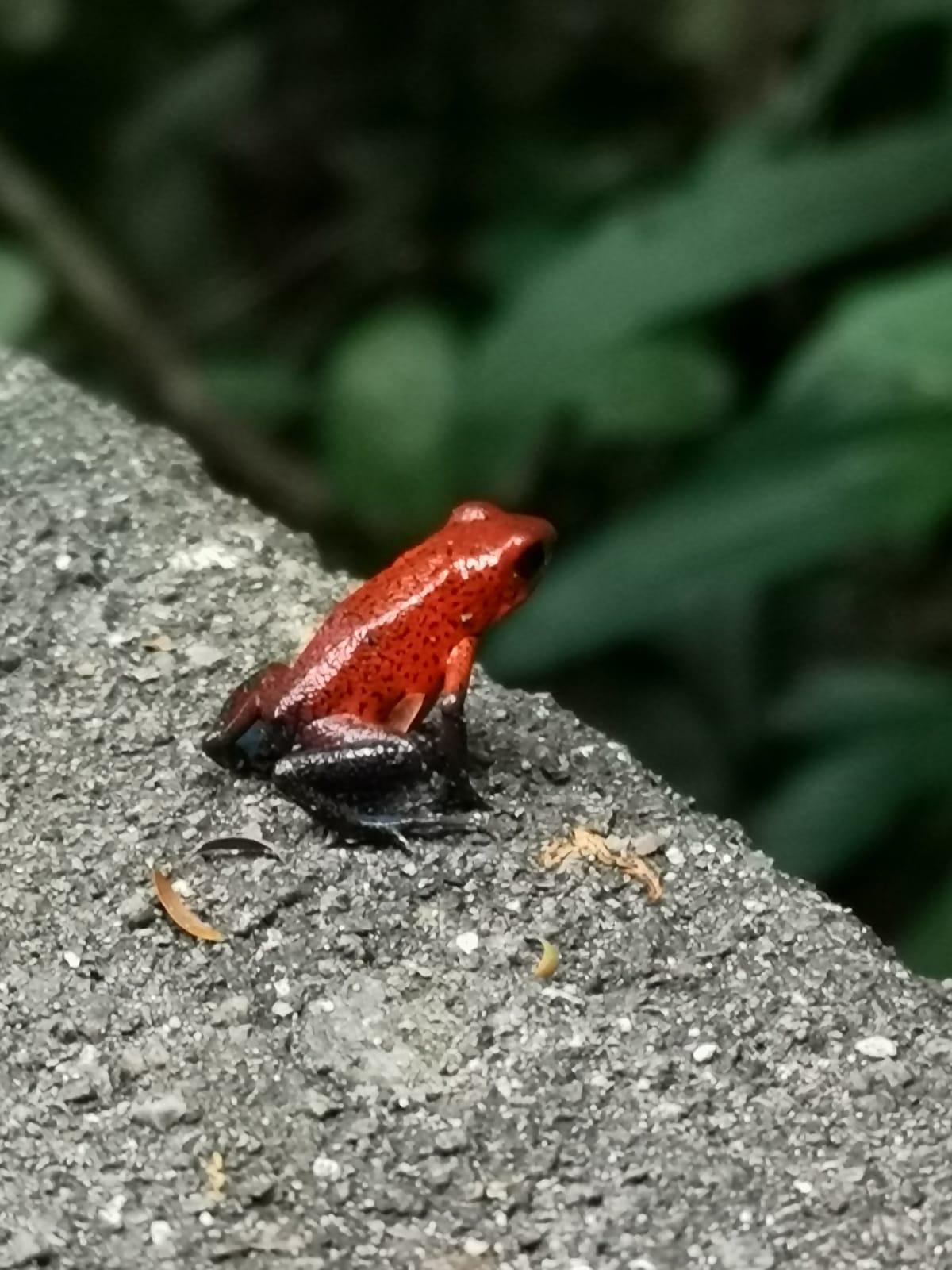
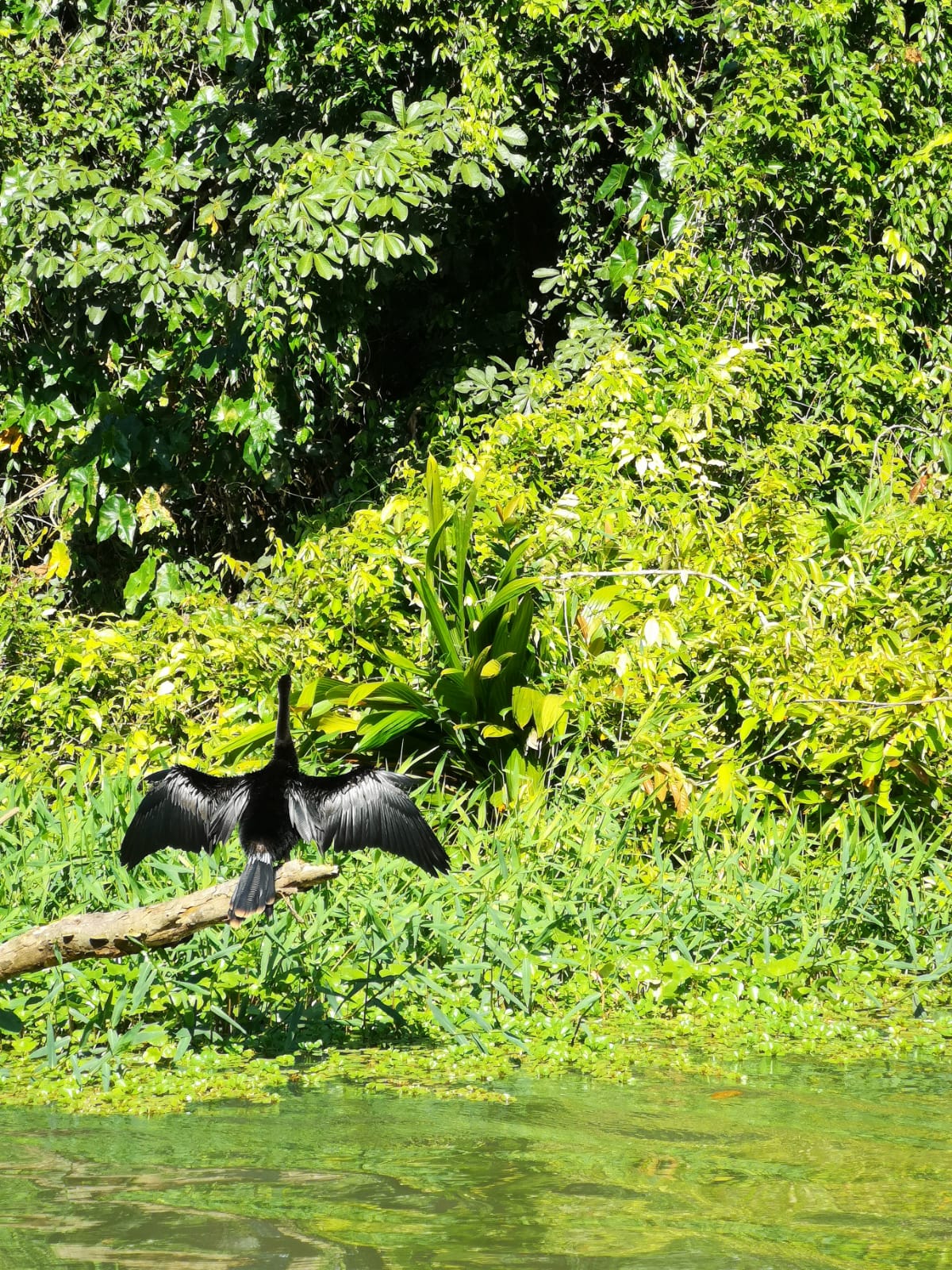
During this tour, you might see caimans, green Jesus lizards, green iguanas, toucans, green macaws, cormorants, many species of birds, and if you are lucky, manatees. It is a very unique experience going through the canals, with your boat or kayak, floating and being surrounded by the green tree & luxurious vegetation. The calm atmosphere reigning in there is incredible.
What to do
Apart of taking a boat or kayak tour through the canals of the park, you can also walk around in the jungle and try to spot animals by your own (if your hotel has a specific trail for example). You can also book a canopy/zip line tour, jet ski expedition, or a fishing adventure. The best thing to do is seeing the turtle nesting, as there are different species, they come to the beach at different time. The peak season for the green sea turtle would be July to October for example. But these months are also the peak season for the tourists, so you might find it very crowded too…
As the leatherback turtles are a very rare species, when one individual is spotted on one part of the beach, the guides cannot go there, so you will be very lucky if you get the chance to see one!
For who?
Tortuguero is a wonderful place for those who love green scenery, specific animals like turtles, green macaws, manatees, and caimans. It is a very calm & peaceful place and if you are looking for party & long walks you might not find what you want here… But it is definitely a place to go, just for the uniqueness of the area and the amazing Caribbean vibe!